Concrete vs. Pavers: Which Patio Lasts Longer in Minnesota Winters?
LUCAS NELSON • August 3, 2026
A patio in Minnesota must handle more than everyday foot traffic and outdoor furniture. Freezing temperatures, snowmelt, shifting soil, and repeated freeze-thaw cycles can all affect how the surface performs over time.
When comparing a concrete vs. pavers patio in Minnesota, both materials have advantages. However, pavers are often better suited to homeowners who want a flexible surface with more manageable repair options after seasonal ground movement.
Why Minnesota Winters Are Tough on Patios
Water can enter the soil beneath a patio and expand when it freezes. As temperatures rise, the ground thaws and settles again. This repeated movement can place stress on both the patio surface and the foundation supporting it.
The amount of movement depends on several factors, including:
- Soil and moisture conditions
- Excavation depth
- Base preparation and compaction
- Surface grading
- Water drainage around the patio
Choosing a durable material is important, but the preparation beneath the patio often has an even greater effect on long-term stability.
How Concrete Patios Handle Freeze-Thaw Cycles
Concrete patios are poured as continuous slabs. This creates a smooth, solid surface, but it also means the patio has limited flexibility when the ground beneath it moves.
Stress within the slab can eventually lead to concrete patio cracking during a Minnesota winter. Control joints may help direct where cracks form, but they cannot prevent every crack caused by settlement, moisture, or frost movement.
Potential winter-related concrete problems include:
- Cracks running across the slab
- Raised or sunken areas
- Surface scaling or flaking
- Deterioration near joints
- Visible patches after repairs
Small cracks may remain cosmetic, while larger cracks can create uneven surfaces or allow more water beneath the patio. Repairs may also remain noticeable because new concrete does not always match the color and appearance of the original slab.
How Paver Patios Perform in Cold Climates
A paver patio is built from individual units rather than one rigid slab. The joints between the pavers allow the surface to accommodate a limited amount of seasonal movement without forming the long cracks commonly seen in poured concrete.
Pavers can still shift or settle when the base is not prepared correctly. The difference is that an affected section can often be lifted, the base corrected, and the pavers reset instead of replacing a large continuous slab.
This combination of flexibility and repairability makes pavers a practical patio material for cold climates.
Paver Patio vs. Concrete Patio
| Consideration | Concrete Patio | Paver Patio |
|---|---|---|
| Freeze-thaw response | A rigid surface may crack when the ground moves | Individual units can accommodate limited movement |
| Repairs | Patches may remain visible | Individual areas can often be lifted and reset |
| Design options | Can be plain, colored, textured, or stamped | Available in different sizes, colors, patterns, and borders |
| Future changes | Difficult to modify after installation | Sections may be adjusted or expanded more easily |
| Maintenance | Cracks or surface deterioration may need attention | Joints or settled areas may occasionally need maintenance |
| Appearance after repair | New concrete may not match the original slab | Matching pavers may create a less noticeable repair |
Neither material is completely protected from winter damage. Proper installation, drainage, and base construction remain important with either option.
Which Patio Material Lasts Longer?
A properly installed concrete patio can remain usable for many years. However, cracking is difficult to avoid completely because concrete naturally responds to temperature changes, moisture, and ground movement.
A well-built paver patio can also provide decades of use. Its main advantage is not that movement can never occur, but that individual sections are generally easier to correct when settlement develops.
For Minnesota properties, pavers often provide a stronger combination of:
- Seasonal flexibility
- Easier repairs
- Design versatility
- Long-term adaptability
- Replaceable individual units
The actual lifespan of either patio depends on site conditions, installation quality, maintenance, and how effectively water is managed around the area.
Why the Patio Base Matters
The visible surface is only one part of a durable patio. Even high-quality pavers may shift when installed over a shallow, unstable, or poorly compacted foundation.
A properly prepared paver patio typically includes:
- Site evaluation: The area is reviewed for slope, soil conditions, access, and water movement.
- Excavation: Unstable soil and organic material are removed to create room for the foundation.
- Aggregate base installation: Base material is installed and compacted to create stable support.
- Surface grading: The area is shaped to encourage water to flow away from the home and patio.
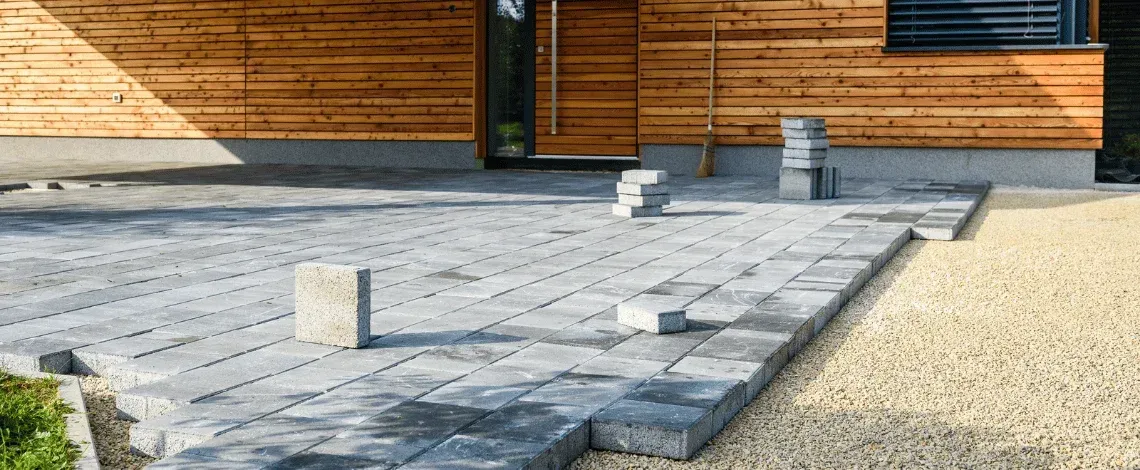
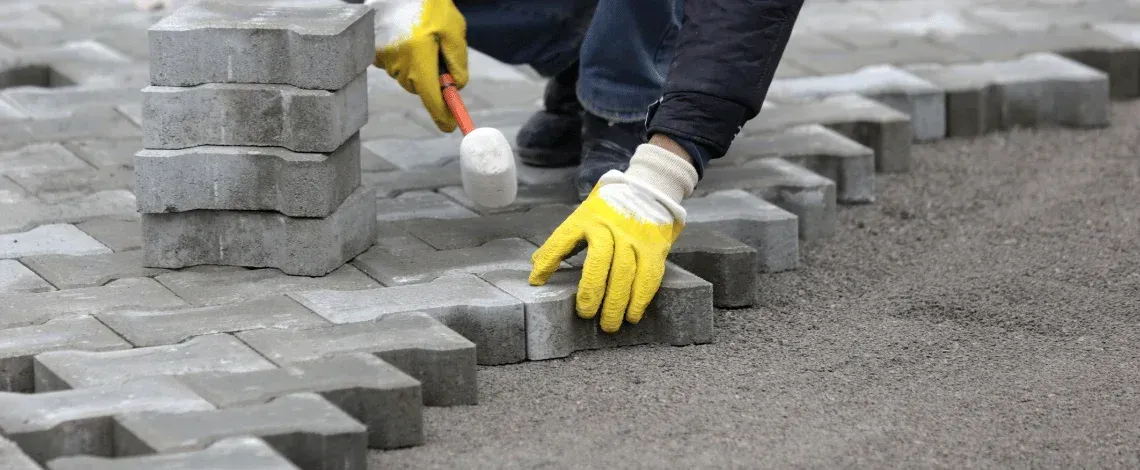
- Paver installation: The selected pavers are placed according to the planned layout and pattern.
- Edge and joint stabilization: Edge restraints and joint material help keep the individual units in position.
Excavation, compaction, leveling, spacing, and alignment all contribute to the finished patio’s stability. Skipping or rushing any of these steps can increase the likelihood of sinking, shifting, or uneven areas.
How Drainage Affects Patio Durability
Standing water and saturated soil can increase the likelihood of frost movement beneath a patio. Water may collect because of low areas, poorly directed downspouts, compacted soil, or grading that sends runoff toward the outdoor living space.
The patio should be planned with the surrounding property rather than treated as an isolated surface. Reviewing the slope and runoff patterns before installation can help identify conditions that may affect the finished project.
Proper grading helps direct water away from the patio and reduces the amount of moisture collecting beneath the surface. Managing runoff before installation can support a more stable patio throughout Minnesota’s freeze-thaw cycles.
Can Pavers Still Crack or Move?
Pavers are durable, but they are not damage-proof. An individual unit can chip or crack because of severe impact, unusual ground movement, or installation problems.
Sections of a paver patio may also become uneven if the base settles. In many cases, the affected units can be removed temporarily so the foundation can be corrected before the pavers are placed back into position.
This repairability is one of the clearest differences between a paver patio and a concrete patio.
When Pavers May Be the Better Option
Pavers may be the better patio material when the homeowner wants:
- A surface that responds more flexibly to seasonal movement
- Easier access for future repairs
- Multiple colors, patterns, and border options
- The ability to replace individual damaged units
- A patio that may be adjusted or expanded later
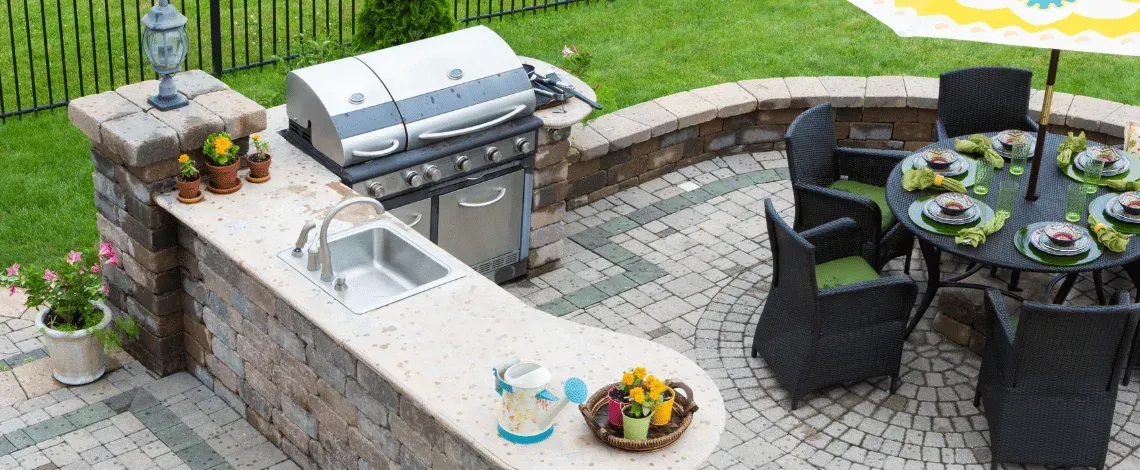
- A surface that coordinates with nearby outdoor features
The right choice should also account for the size of the patio, the property’s drainage, expected use, preferred appearance, maintenance expectations, and overall project budget.
Build a Minnesota-Ready Pati
o With LN Landscaping
Concrete offers a continuous surface, but winter-related cracks and settlement can be difficult to repair without leaving visible patches. Pavers provide greater flexibility and make it possible to correct individual sections when movement occurs.
LN Landscaping can help you plan a paver patio that fits your property, preferred layout, and Minnesota’s seasonal conditions.
Contact us today to discuss paver patio installation in North Branch, MN, and the surrounding communities.
Recent Posts